Proper maintenance is essential for getting the longest possible service life from a sweeper broom wafer. Whether used on municipal street sweepers, industrial cleaning machines, warehouse sweepers, or construction equipment, brush wafers experience continuous friction against rough surfaces and debris. Without routine care, they wear out more quickly, reducing cleaning performance and increasing operating costs. Following practical maintenance procedures helps preserve brush quality, improve sweeping efficiency, minimize downtime, and maximize the return on every replacement investment.
Perform Regular Visual Inspections
Routine inspections are the first step in maintaining brush wafers effectively. Operators should examine the brush before and after use for signs of uneven bristle wear, broken filaments, loose mounting hardware, or damaged wafers. Detecting problems early prevents minor issues from developing into larger mechanical failures that affect sweeping performance. Regular inspections also help maintenance teams schedule replacements at the appropriate time, ensuring the equipment continues operating efficiently without unexpected interruptions during daily cleaning operations.
Adjust Brush Pressure Correctly
Excessive downward pressure is one of the leading causes of premature brush wear. Many operators assume that pressing the brush harder against the surface improves cleaning performance, but excessive pressure actually shortens brush life while placing unnecessary stress on the sweeping machine. A properly adjusted sweeper broom wafer should maintain consistent contact with the cleaning surface without excessive force. Following the equipment manufacturer’s recommended pressure settings helps balance cleaning efficiency with long-term brush durability and equipment protection.
Clean the Brush After Heavy Use
After sweeping dusty roads, muddy construction sites, or industrial facilities, debris often becomes trapped between the bristles and mounting components. Allowing this material to remain on the brush can accelerate wear and reduce cleaning efficiency during future operations. Cleaning the brush after demanding work removes accumulated dirt, prevents unnecessary abrasion, and allows operators to inspect the brush more carefully. Regular cleaning also helps preserve the structural integrity of the bristles, extending the useful lifespan of the brush assembly.
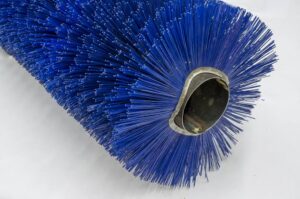
Operate the Sweeper on Suitable Surfaces
Using the correct brush for the intended application plays an important role in maintenance. A sweeper broom wafer designed for general road cleaning should not be used continuously on highly abrasive surfaces if a heavy-duty alternative is available. Matching brush materials with operating conditions reduces unnecessary wear while improving overall cleaning results. Selecting the proper polypropylene, steel wire, or combination brush ensures efficient performance without exposing the brush to conditions beyond its intended design capabilities.
Replace Worn Components Before They Cause Damage
Waiting until a brush is completely worn out can negatively affect both cleaning quality and machine performance. Unevenly worn brush wafers may create excessive vibration, place additional strain on bearings, and reduce sweeping effectiveness. Replacing worn brush sections promptly maintains balanced rotation and prevents further mechanical stress. Preventive maintenance schedules that include regular brush inspections and timely replacement help reduce repair costs while maximizing equipment productivity throughout the year.
Choose High-Quality Replacement Products
The lifespan of any brush depends heavily on its manufacturing quality. Reliable manufacturers use durable raw materials, precision production methods, and strict quality control procedures to produce long-lasting brush wafers. Businesses purchasing replacement products should prioritize dependable construction over the lowest purchase price. High-quality brush wafers maintain their shape longer, provide consistent cleaning performance, and reduce replacement frequency, resulting in lower operating costs over the lifetime of the sweeping equipment.
Partner with an Experienced Brush Manufacturer
Working with a trusted supplier helps ensure access to reliable replacement products and professional technical support. Many established manufacturers provide comprehensive brush solutions for commercial and industrial customers, supplying not only sweeper replacement brushes but also industrial brushes, solar panel cleaning brushes, livestock grooming brushes, household cleaning brushes, and other specialized products. Their extensive manufacturing experience allows distributors and equipment owners to source multiple brush types from one dependable supplier while maintaining consistent product quality and performance.
Learn More About Professional Brush Solutions
Businesses seeking durable replacement brushes should evaluate suppliers based on manufacturing expertise, product consistency, and long-term reliability. Manufacturers with strong international experience often maintain advanced production standards that support customers across a wide range of industries and global markets. Their commitment to dependable quality has earned recognition from commercial partners in numerous countries. Additional information about industrial brush solutions, replacement products, and manufacturing capabilities can be found by visiting zhendabrush.com for professional guidance and product details.
Conclusion
Maintaining a sweeper broom wafer properly helps maximize its lifespan, improve cleaning efficiency, and reduce long-term operating costs. Regular inspections, correct brush pressure, routine cleaning, appropriate surface selection, timely replacement, and high-quality manufacturing all contribute to better performance and extended durability. By following preventive maintenance practices and working with an experienced manufacturer that offers a broad range of reliable brush solutions, businesses can keep their sweeping equipment operating efficiently while achieving consistent cleaning results in demanding commercial, municipal, and industrial environments.
